
Loading

Notes From an Unfinished Project

Notes From an Unfinished Project Every project begins with an idea. Sometimes that idea arrives suddenly, appearing almost fully formed. Other times it develops slowly through a collection of notes, sketches, conversations, references, and half-finished experiments. At the beginning, there is usually no clear indication of what the final result will look like. That uncertainty can be useful. Starting With Nothing The first stage of a project is often the least structured. There may be several possible directions, but no obvious reason to choose one over another. A simple list can become a plan. A rough drawing can become a visual identity. A short sentence can eventually become an entire concept. The important thing is to begin. Waiting for everything to be perfect before starting usually creates more problems than it solves. Ideas become easier to understand once they exist outside your head. The First Attempt The first version is rarely the final version. It might be too complicated, too simple, too long, too short, or simply heading in the wrong direction. That does not make it useless. The first attempt provides something concrete to react to. Once something exists, it becomes possible to ask better questions. What works? What feels unnecessary? What could be clearer? What should be removed? What needs more attention? What happens if the entire approach is changed? These questions can gradually transform an uncertain idea into something much more defined. Changing Direction One of the hardest parts of creative work is accepting that the original idea might not be the best idea. There can be a tendency to protect an initial concept simply because it was the reason the project started. But projects evolve. New information changes the context, experiments reveal unexpected possibilities, and mistakes can expose better solutions. Changing direction is not necessarily a failure. Sometimes it is progress. A Useful Experiment Consider a simple exercise: remove one element from the project and see what happens. Remove a color. Remove a paragraph. Remove an image. Remove a feature. Remove a decorative element. If the result becomes clearer, perhaps that element was not necessary. If the result becomes weaker, you have learned something equally useful. The Middle The middle of a project is usually less exciting than the beginning. The initial enthusiasm has disappeared, but the finished result is still far away. There are repetitive tasks, small corrections, technical problems, and decisions that seem insignificant individually but become important when added together. This is where consistency matters. A project can change dramatically through dozens of small improvements. Progress does not always look like progress while it is happening. The middle is also where practical limitations become visible. Time, budget, equipment, software, technical requirements, and other restrictions can force decisions that were not part of the original plan. Instead of treating every limitation as a problem, it can sometimes be useful to treat it as part of the design. Details Matter Large decisions are easy to notice. Small decisions are often what determine whether the final result feels finished. Spacing between elements can change the entire appearance of a page. The size of a heading can influence how quickly someone understands the structure of an article. A subtle change in contrast can make text considerably easier to read. These details may not be obvious individually, but they accumulate. The Final Pass Before declaring a project finished, it is worth stepping away from it for a while. Return later and look at it as though you were seeing it for the first time. Does the beginning make sense? Is the most important information immediately visible? Are there sections that feel unnecessarily long? Does anything compete for attention when it shouldn’t? Are there details that feel unfinished? Sometimes the final improvements are not additions at all. They are things being removed. What Remains When the project is finally complete, the original idea may be almost unrecognizable. That is not necessarily a bad thing. The finished version is the result of everything that happened along the way: experiments, revisions, mistakes, unexpected discoveries, limitations, and decisions. The original idea was only the starting point. Looking Back It is tempting to judge an unfinished project by comparing it with the finished work of someone else. That comparison is rarely useful. You are seeing their final result, not their discarded drafts, failed experiments, technical problems, or long periods when nothing seemed to work. Every finished project contains an invisible history. The rough versions disappear, but they were necessary. Conclusion A project does not have to begin with certainty. It only needs enough of an idea to take the first step. From there, the direction can change. Parts can be removed. New ideas can appear. Problems can become opportunities. What initially seemed unfinished can slowly become something complete. And once it is finished, another project begins. The process continues.

Notes From an Unfinished Project Read Post »

A Different Perspective

The Shape of Things to Come There are moments when a familiar place begins to feel slightly different. Nothing has necessarily changed, yet the atmosphere seems altered, as if something is quietly moving beneath the surface. These small changes are often difficult to describe, but they can influence the way we experience a space, an idea, or even an ordinary day. A Different Perspective The first impression is rarely the complete picture. When we return to something after a period of time, details that previously seemed insignificant can suddenly become important. A room may appear larger, a street may feel quieter, or an object that we once ignored may become the central point of attention. This is one of the interesting things about familiarity. The more often we encounter something, the less attention we tend to give it. Eventually, the background becomes invisible. Looking at it again with fresh eyes can reveal an entirely different character. Small Changes Change does not always have to be dramatic. Sometimes the smallest adjustments produce the most noticeable results. Moving an object, changing the lighting, introducing a new color, or simply removing something unnecessary can completely alter the balance of a composition. The same principle applies to larger projects. A few carefully considered decisions can often accomplish more than a long list of complicated modifications. The challenge is recognizing which changes actually matter. An Ordinary Afternoon Imagine walking through a city on an ordinary afternoon. The streets are busy, but not unusually so. Cars pass in the distance while people move between shops, cafés, offices, and public transport. Nothing particularly remarkable is happening. Yet there are dozens of small scenes taking place simultaneously. Someone is sitting beside a window reading. A cyclist stops at a crossing. A delivery van blocks a narrow street for a few minutes. Two people meet unexpectedly and begin talking. Somewhere nearby, music can be heard through an open window. None of these events would normally make the news, but together they form the character of the place. Looking Closer Paying attention to these details changes the experience. Instead of simply moving from one destination to another, the journey becomes something worth observing. Architecture becomes more noticeable. Colors begin to stand out. Reflections appear in windows and puddles. Different sounds overlap and create an accidental soundtrack. This kind of observation does not require special equipment or extensive knowledge. It only requires time. Sometimes the most interesting things are the things we normally overlook. A Question of Balance Good design, good writing, and good spaces often share something in common: balance. Too much information can make something difficult to understand. Too little information can make it feel empty. Strong contrasts can create energy, while subtle differences can create calm. Finding the right balance is rarely about following a fixed formula. It usually comes from experimentation, adjustment, and paying attention to how individual elements interact with one another. Structure and Rhythm A long page can feel comfortable when it has a clear rhythm. Headings break up large sections of text. Short paragraphs provide breathing room. Images create pauses between ideas. Lists make information easier to scan. Without these elements, even good writing can become difficult to navigate. This paragraph is simply another example of placeholder content intended to demonstrate how text behaves within a page layout. It can be replaced later with real content without changing the overall structure of the article. Another Section There are many ways to approach the same problem. One person may begin with a rough sketch, another with a detailed plan, and someone else may prefer to experiment until something starts to work. None of these approaches is automatically correct. What matters is the result and whether the process produces something useful, clear, and appropriate for its purpose. A flexible approach can be particularly valuable when working on projects that evolve over time. Initial assumptions may change, new information may appear, and unexpected problems may require an entirely different solution. Moving Forward Eventually, every project reaches a point where decisions have to be made. Some ideas remain, others disappear, and a few may return later in a completely different form. The process can be messy, but that does not necessarily mean it is unsuccessful. In many cases, experimentation is simply part of finding the right direction. The finished result may look simple, even though reaching that point required considerable thought and revision. Conclusion The most useful ideas are often the ones that leave room for interpretation. They provide enough structure to create direction without becoming so rigid that there is no space for experimentation. Whether the subject is design, architecture, technology, music, writing, or something completely different, the same basic principle applies: observe, experiment, adjust, and try again. And sometimes, after all the changes have been made, the simplest version turns out to be the strongest one.

A Different Perspective Read Post »

The Shape of Things to Come

The Shape of Things to Come There are moments when a familiar place begins to feel slightly different. Nothing has necessarily changed, yet the atmosphere seems altered, as if something is quietly moving beneath the surface. These small changes are often difficult to describe, but they can influence the way we experience a space, an idea, or even an ordinary day. A Different Perspective The first impression is rarely the complete picture. When we return to something after a period of time, details that previously seemed insignificant can suddenly become important. A room may appear larger, a street may feel quieter, or an object that we once ignored may become the central point of attention. This is one of the interesting things about familiarity. The more often we encounter something, the less attention we tend to give it. Eventually, the background becomes invisible. Looking at it again with fresh eyes can reveal an entirely different character. Small Changes Change does not always have to be dramatic. Sometimes the smallest adjustments produce the most noticeable results. Moving an object, changing the lighting, introducing a new color, or simply removing something unnecessary can completely alter the balance of a composition. The same principle applies to larger projects. A few carefully considered decisions can often accomplish more than a long list of complicated modifications. The challenge is recognizing which changes actually matter. An Ordinary Afternoon Imagine walking through a city on an ordinary afternoon. The streets are busy, but not unusually so. Cars pass in the distance while people move between shops, cafés, offices, and public transport. Nothing particularly remarkable is happening. Yet there are dozens of small scenes taking place simultaneously. Someone is sitting beside a window reading. A cyclist stops at a crossing. A delivery van blocks a narrow street for a few minutes. Two people meet unexpectedly and begin talking. Somewhere nearby, music can be heard through an open window. None of these events would normally make the news, but together they form the character of the place. Looking Closer Paying attention to these details changes the experience. Instead of simply moving from one destination to another, the journey becomes something worth observing. Architecture becomes more noticeable. Colors begin to stand out. Reflections appear in windows and puddles. Different sounds overlap and create an accidental soundtrack. This kind of observation does not require special equipment or extensive knowledge. It only requires time. Sometimes the most interesting things are the things we normally overlook. A Question of Balance Good design, good writing, and good spaces often share something in common: balance. Too much information can make something difficult to understand. Too little information can make it feel empty. Strong contrasts can create energy, while subtle differences can create calm. Finding the right balance is rarely about following a fixed formula. It usually comes from experimentation, adjustment, and paying attention to how individual elements interact with one another. Structure and Rhythm A long page can feel comfortable when it has a clear rhythm. Headings break up large sections of text. Short paragraphs provide breathing room. Images create pauses between ideas. Lists make information easier to scan. Without these elements, even good writing can become difficult to navigate. This paragraph is simply another example of placeholder content intended to demonstrate how text behaves within a page layout. It can be replaced later with real content without changing the overall structure of the article. Another Section There are many ways to approach the same problem. One person may begin with a rough sketch, another with a detailed plan, and someone else may prefer to experiment until something starts to work. None of these approaches is automatically correct. What matters is the result and whether the process produces something useful, clear, and appropriate for its purpose. A flexible approach can be particularly valuable when working on projects that evolve over time. Initial assumptions may change, new information may appear, and unexpected problems may require an entirely different solution. Moving Forward Eventually, every project reaches a point where decisions have to be made. Some ideas remain, others disappear, and a few may return later in a completely different form. The process can be messy, but that does not necessarily mean it is unsuccessful. In many cases, experimentation is simply part of finding the right direction. The finished result may look simple, even though reaching that point required considerable thought and revision. Conclusion The most useful ideas are often the ones that leave room for interpretation. They provide enough structure to create direction without becoming so rigid that there is no space for experimentation. Whether the subject is design, architecture, technology, music, writing, or something completely different, the same basic principle applies: observe, experiment, adjust, and try again. And sometimes, after all the changes have been made, the simplest version turns out to be the strongest one.

The Shape of Things to Come Read Post »

Bidding on Homes and Contacting Agents for Home Sales

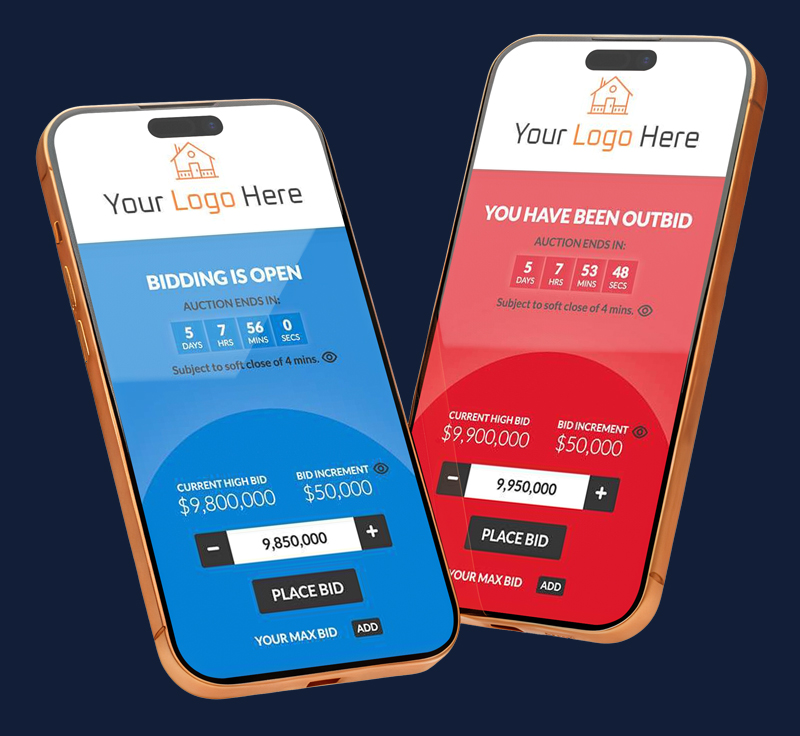
Buying a home is a major financial decision, and one of the most important parts of the process is knowing how to communicate with real-estate agents and how to approach the bidding process. Whether you have just started looking at properties or have already found a home that you are seriously interested in, clear communication and careful preparation can make a significant difference. When contacting an agent about a property, it is usually best to be direct and polite. You can introduce yourself, mention the property you are interested in, and explain that you would like to arrange a viewing or receive additional information. There is no need to immediately reveal your maximum budget or the highest amount you would be willing to pay. Keeping some information private gives you more flexibility later if negotiations take place. Before making an offer, it is important to research the property and understand the local market. Look at comparable homes in the same neighborhood and consider their size, condition, location, age, and recent selling prices. The asking price does not necessarily represent the actual market value of the property. A home that has been on the market for a long time may provide more room for negotiation, while a desirable property receiving multiple offers may require a more competitive bid. A viewing is also an important opportunity to gather information. Pay attention not only to the appearance of the home but also to its condition. Look for signs of moisture, cracks, poor insulation, old electrical installations, plumbing problems, roof issues, or other expensive repairs. Ask the agent about renovations, maintenance, energy efficiency, monthly costs, and anything else that could affect the property’s long-term value. If you decide that you want the property, the next step is usually to determine your bidding strategy. Start by establishing the maximum amount you are genuinely comfortable paying. This should be based on your finances rather than emotions. It is easy to become attached to a home and gradually increase your offer because you are afraid of losing it. Setting a firm upper limit beforehand can help prevent you from paying more than you originally intended. Your first offer does not necessarily have to be your maximum offer. Depending on the market and the circumstances of the property, you may decide to make a reasonable initial bid and leave some room for negotiation. However, making an unrealistically low offer can also be counterproductive, particularly when there are several interested buyers. When submitting an offer, the price is only one part of the negotiation. Other conditions can also matter. The proposed completion date, financing arrangements, included appliances or furniture, inspection conditions, and other contractual terms can influence whether a seller accepts an offer. A slightly lower offer with attractive and reliable conditions may sometimes be preferable to a higher offer that comes with significant uncertainty. Communication with the agent should remain professional throughout the process. If you have questions, ask them clearly and preferably keep important agreements in writing. Do not hesitate to request clarification if the agent uses terminology or contractual language that you do not understand. Buying a property involves substantial amounts of money, so it is reasonable to take your time before agreeing to something significant. If the agent tells you that another buyer has made a higher offer, do not automatically assume that you need to match it. Consider whether the property is still worth the increased price to you. Agents may communicate information about competing offers, but you should make decisions based on your own financial limits and assessment of the property. Negotiation can involve several rounds. The seller may reject your initial offer, make a counteroffer, or ask you to improve certain conditions. You can accept the counteroffer, make another proposal, or walk away. Walking away is sometimes the best decision. There will always be other properties, and paying too much for a home simply because negotiations have become competitive can create financial pressure for many years. When contacting an agent after making an offer, it is useful to be concise. You can confirm the amount you are offering, state any important conditions, and indicate that you are prepared to proceed if the seller accepts. Avoid making statements that unnecessarily reveal how emotionally invested you are in the property. For example, instead of saying that the property is your dream home and that you would do almost anything to get it, you can simply communicate that you are seriously interested and prepared to proceed with the purchase under the proposed terms. This keeps the conversation professional and avoids giving away unnecessary negotiating leverage. If your offer is rejected, ask whether the seller has provided a reason or whether there is room for another offer. Sometimes the seller may simply be looking for a higher price. In other situations, they may have accepted another offer. If the property remains available, you can decide whether submitting a revised offer makes sense. It is also important to distinguish between an informal indication of interest and a legally binding offer. The exact rules vary depending on the country and the type of transaction. Before making a binding commitment, understand what you are agreeing to, what conditions apply, and what consequences may exist if the purchase does not proceed. A real-estate agent represents the interests of the seller, buyer, or both depending on the arrangement and local regulations. Because of this, you should not assume that the agent is acting as your personal financial or legal adviser. For significant transactions, it can be sensible to consult an independent lawyer, notary, surveyor, or financial adviser. If you are selling a home rather than buying one, the same principles apply from the opposite perspective. A seller should consider the strength of each offer rather than focusing exclusively on the highest number. A buyer who has financing already arranged and can complete the transaction quickly may represent less risk than a buyer offering slightly more but with uncertain financing. When

Bidding on Homes and Contacting Agents for Home Sales Read Post »

Scroll to Top